
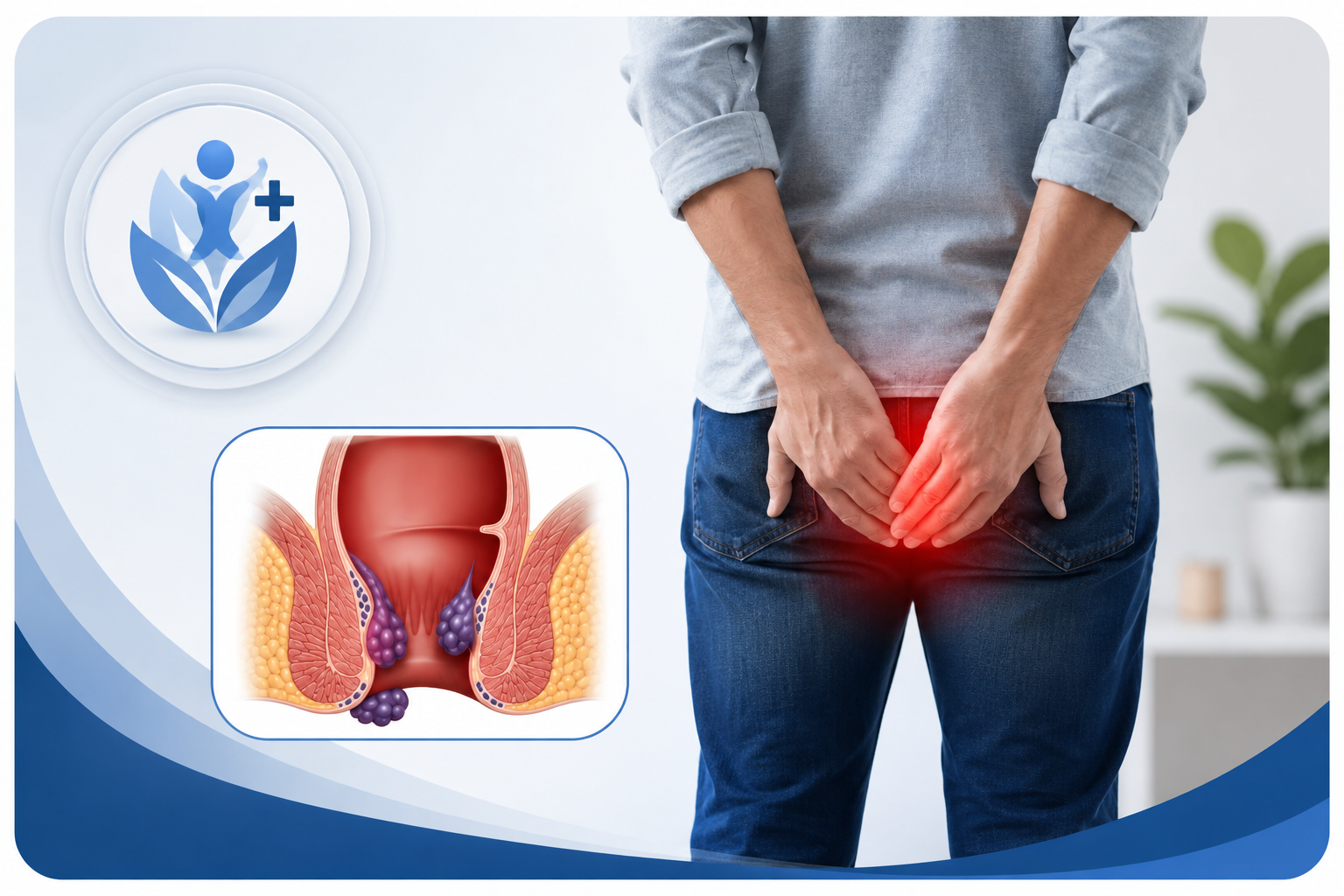
Constipation is a common digestive problem that can affect people of all ages. It usually causes hard stools, difficulty passing stool, and less frequent bowel movements. While occasional constipation may not always be serious, frequent or long-term constipation can put extra pressure on the anal and rectal area. This may increase the risk of developing piles or worsen existing symptoms. If you are experiencing ongoing discomfort, consulting the best piles doctor in Narnaul can help you understand the underlying cause and receive appropriate medical guidance.
How Does Constipation Lead to Piles?
When a person is constipated, stools often become hard and dry. This makes it more difficult to pass. As a result, people may strain excessively during bowel movements.
Repeated straining can increase pressure on the veins around the anus and lower rectum. Over time, these veins may become swollen or inflamed, contributing to the development of piles, also known as hemorrhoids. Common factors that connect constipation with piles include:
- Hard stools: Hard and dry stools require more effort to pass.
- Excessive straining: Repeated straining increases pressure on the veins in the anal area.
- Long sitting time on the toilet: Spending extended periods during bowel movements may increase pressure in the rectal region.
- Chronic constipation: Ongoing constipation can repeatedly stress the anal and rectal veins.
Common Symptoms of Piles
Piles can cause different symptoms depending on their type and severity. Some common signs include:
- Pain or discomfort during bowel movements
- Bleeding while passing stool
- Itching or irritation around the anus
- Swelling or a lump near the anal area
- A feeling of discomfort while sitting
It is important not to assume that every case of rectal bleeding or anal discomfort is caused by piles. Similar symptoms can occur due to other medical conditions, which is why proper evaluation is important.
When Should You Consult a Doctor?
Occasional constipation can often be managed with healthy lifestyle changes, but persistent constipation or recurring anal symptoms should not be ignored. If you experience frequent bleeding, severe pain, swelling, or ongoing difficulty during bowel movements, seeking medical advice is recommended.
The Bottom Line
Managing constipation and avoiding repeated straining may help reduce pressure on the anal veins. A healthcare professional can evaluate your symptoms and recommend suitable treatment based on your condition.